Statewide
California Stargazing Guide: Best Dark Sky Spots
Where to see the Milky Way in California, from Death Valley and Joshua Tree to Borrego Springs and the Eastern Sierra, plus timing and photo settings.
By Alex Khachigian · Updated September 2026 · 3 min read
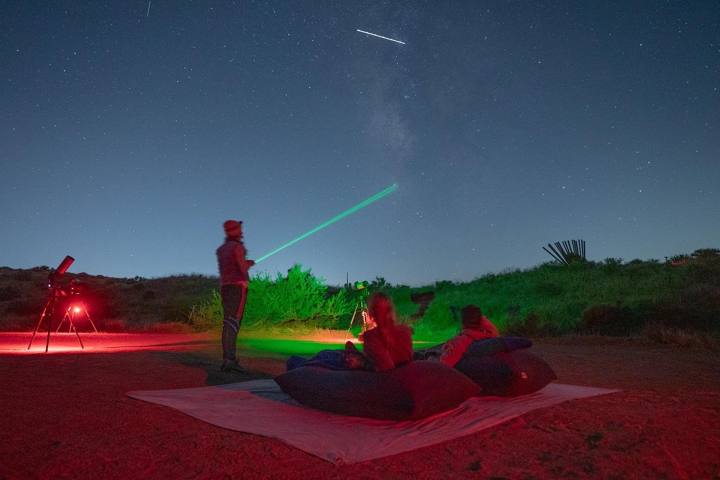
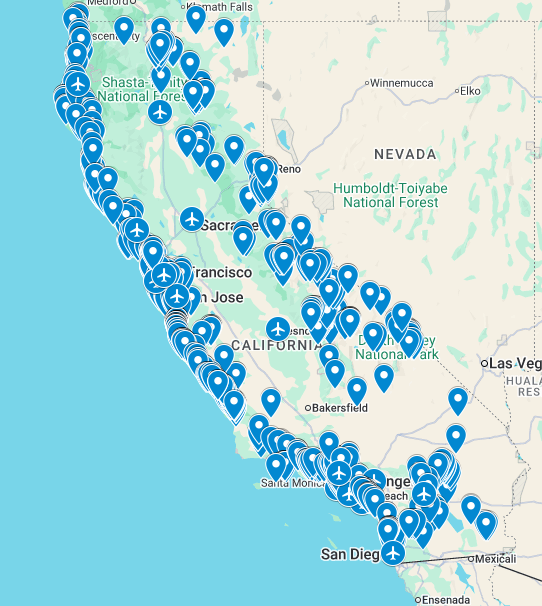
California has several certified International Dark Sky Places within 2 to 3 hours of its major cities.
This guide covers where to go, timing around the moon and seasons, and basic Milky Way photo settings.
In This Guide
Best Time for Stargazing in California
Plan around the new moon. The Milky Way core is visible late February to October, and in the evening from June to August.
- Best dates: within 3 to 4 days of the new moon
- Milky Way core season: roughly late February to October
- Best hours: after astronomical twilight, about 90 minutes after sunset
- Meteor showers: Perseids in mid-August, Geminids in mid-December
Death Valley National Park
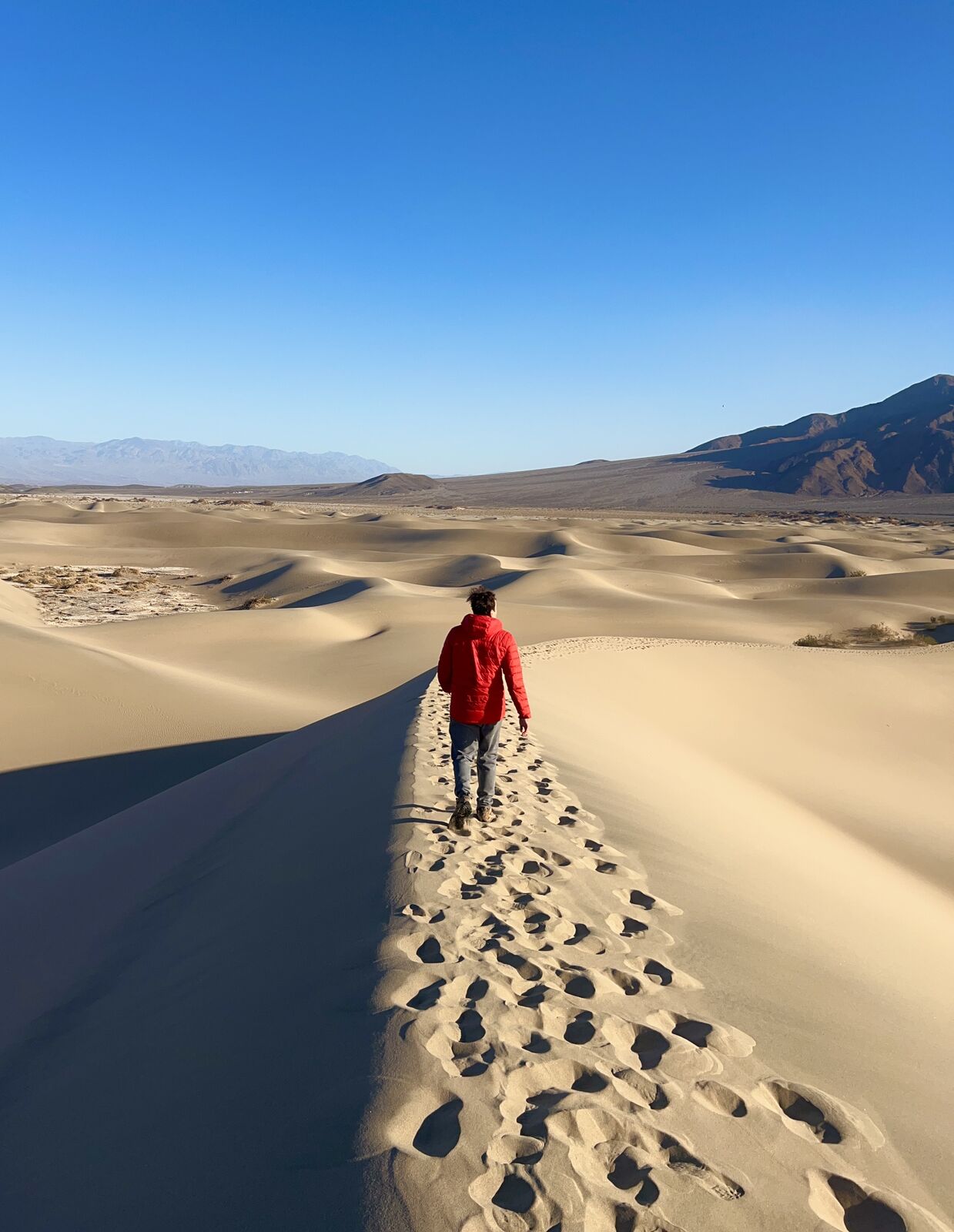
Death Valley is a Gold Tier International Dark Sky Park. Try Harmony Borax Works, Badwater Basin or the Mesquite Flat Sand Dunes.
Winter and spring are most comfortable; summer nights can stay above 90 degrees. My Death Valley winter itinerary includes a night at the dunes.
Joshua Tree National Park
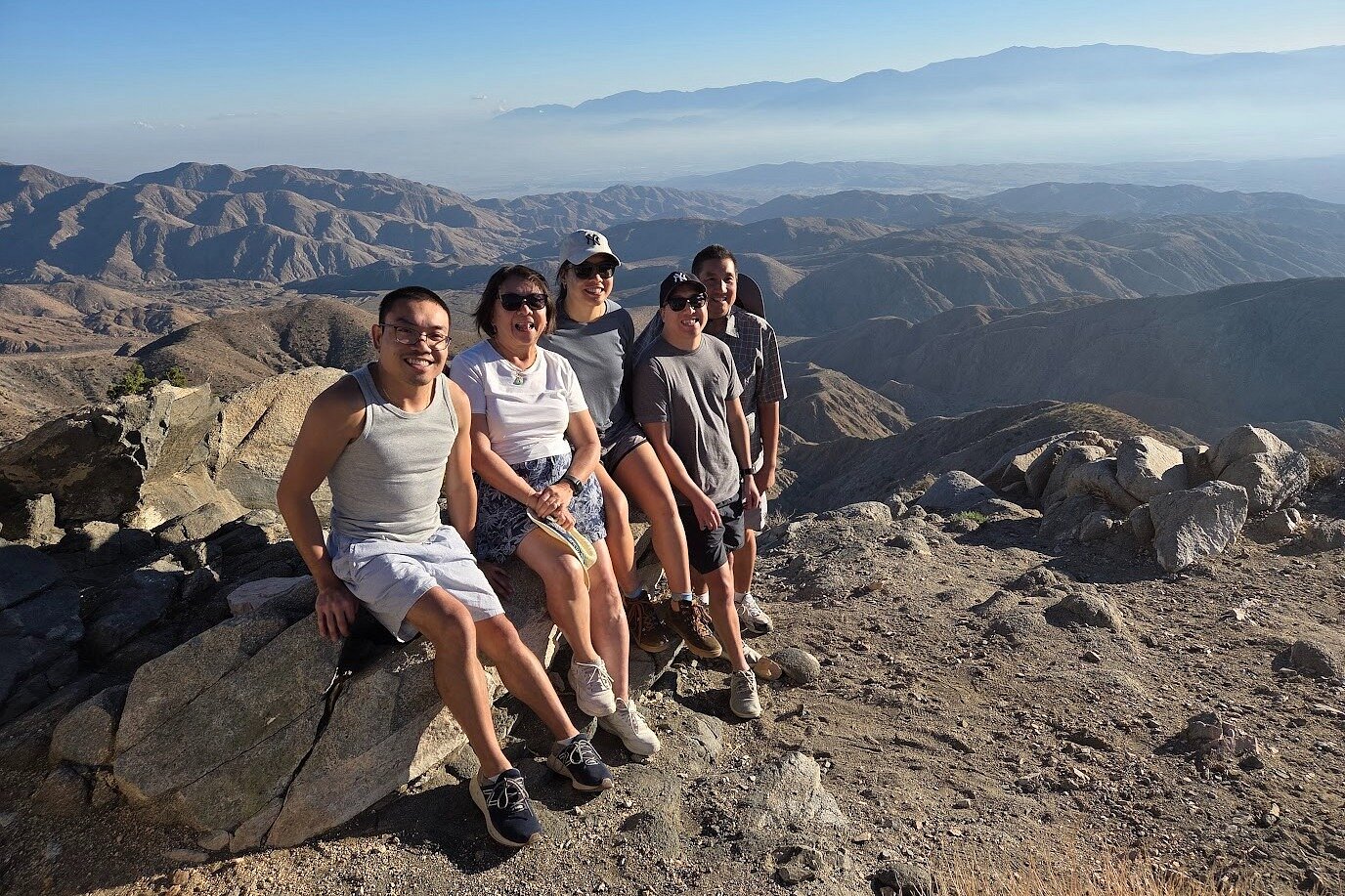
Joshua Tree is an International Dark Sky Park and the closest truly dark sky to Los Angeles and San Diego. The eastern side is darker than the west.
Try Cottonwood Campground, the Cholla Cactus Garden or Skull Rock. See my 2 days in Joshua Tree itinerary and Joshua Tree hotels guide.
Anza-Borrego and Borrego Springs
Borrego Springs was California’s first International Dark Sky Community. Pull-offs along Borrego Salton Seaway make easy viewing spots.
The Galleta Meadows metal sculptures work as night silhouettes. Fonts Point works too if you have high clearance for the sandy wash.
Eastern Sierra and the White Mountains
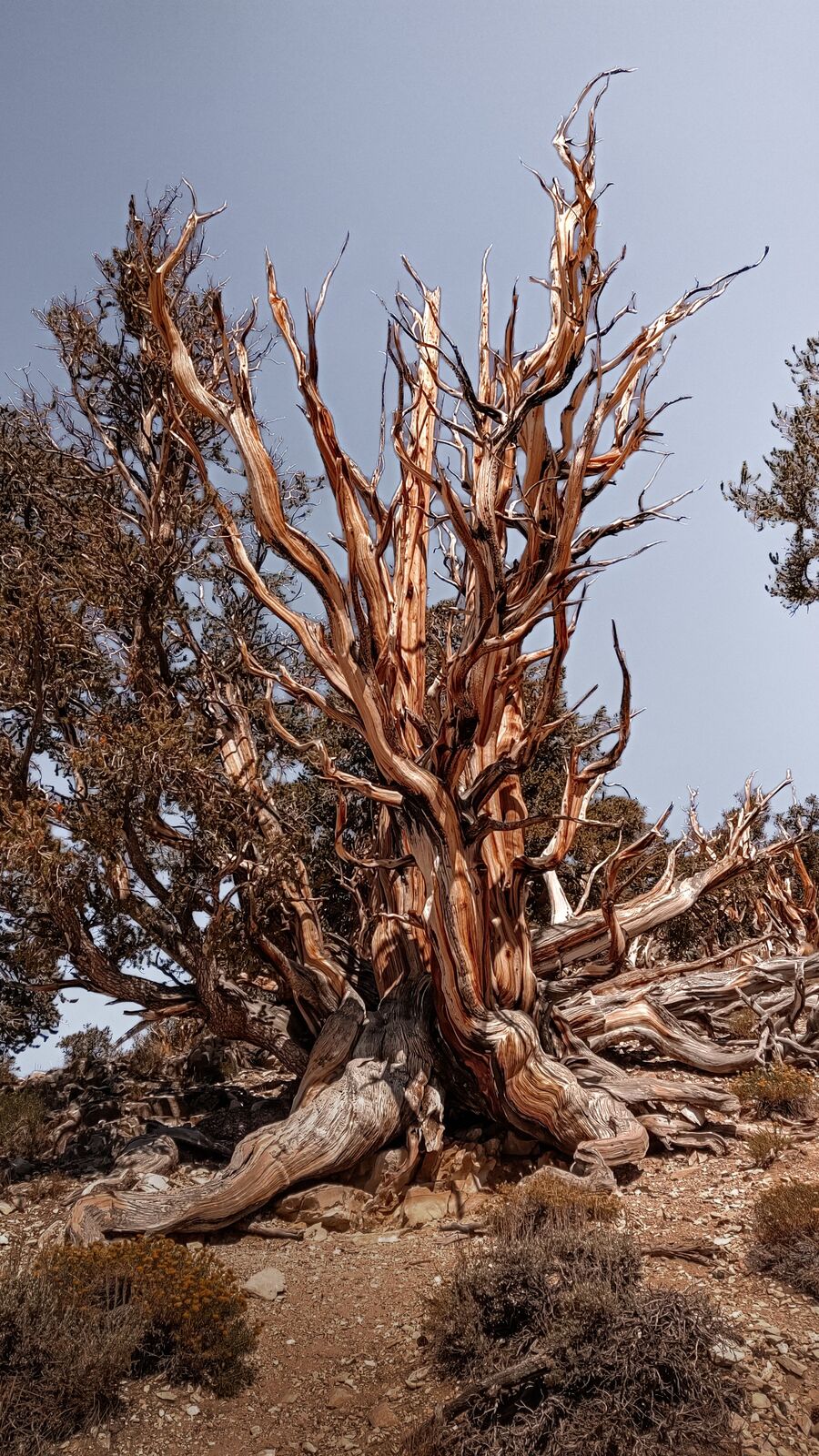
The Ancient Bristlecone Pine Forest, Mono Lake’s South Tufa and the Alabama Hills near Lone Pine combine dark skies with strong foregrounds.
In Yosemite, Glacier Point and Tuolumne Meadows work in summer. Both roads close in winter.
Mono Lake at Night
The tufa towers at South Tufa make a strong night foreground. See my guide on how to visit Mono Lake for parking and sunrise spots.
Stargazing in Northern California
Lassen Volcanic National Park has dark skies at Manzanita Lake and a summer Dark Sky Festival. Rural Modoc County is also very dark.
On the coast, fog is the main problem, but clear nights on the Lost Coast and Mendocino headlands can be very dark.
Observatories Near California Cities
Griffith Observatory in Los Angeles offers free telescope viewing on clear evenings. Mount Wilson Observatory and Lick Observatory host programs in season.
Local astronomy clubs hold star parties near major cities.
How to Photograph the Milky Way
You need manual settings, a wide lens and a tripod. Newer phone night modes work if the phone is kept still.
- Lens: 14 to 24 mm at the widest aperture (f/2.8 or faster)
- Shutter: 15 to 20 seconds to avoid star trails
- ISO: start around 3200
- Focus: manual, on a bright star in live view
- Planning: PhotoPills or Stellarium for position, Clear Outside for clouds
Frequently Asked Questions
Where is the best place to see the Milky Way in California?
Death Valley National Park, with Gold Tier dark sky status. Joshua Tree, Anza-Borrego and the Eastern Sierra are also excellent.
What month is best for seeing the Milky Way in California?
June to August, when the core is up after dark. Pick a night near the new moon.
Can you see the Milky Way near Los Angeles?
Not from the city. Joshua Tree, Anza-Borrego or the Mojave, 2 to 3 hours away, are dark enough.
Do I need a telescope to stargaze?
No. Your eyes and binoculars are enough for the Milky Way, planets and meteor showers.
Is Joshua Tree or Death Valley better for stargazing?
Death Valley is darker. Joshua Tree is closer to Los Angeles and San Diego, and its eastern half is dark enough for a clear Milky Way.