Statewide
California Whale Watching Guide: Best Seasons and Ports
When and where to go whale watching in California: gray, humpback and blue whale seasons, the best ports, picking a boat, seasickness tips and shore spots.
By Alex Khachigian · Updated September 2026 · 4 min read
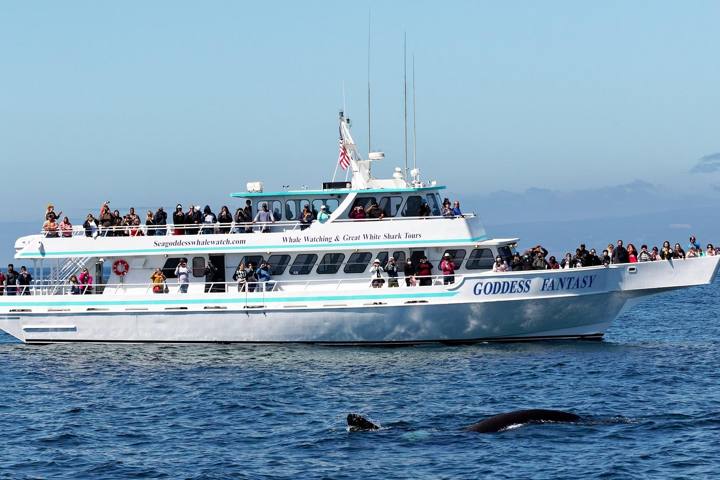
California has whales offshore all year. Gray whales pass in winter and spring, humpbacks feed off the Central Coast in summer and fall, and blue whales appear in the Santa Barbara Channel and off Southern California in summer.
This guide covers seasons, ports, choosing a boat, avoiding seasickness and free shore spots.
In This Guide
- California Whale Watching Seasons by Species
- Best Places to Go Whale Watching in Northern and Central California
- Best Places to Go Whale Watching in Southern California
- How to Pick a Whale Watching Boat
- How to Avoid Seasickness on a Whale Watch
- Best Land-Based Whale Watching Spots in California
- Whale Watching Etiquette and What to Bring
- FAQ
California Whale Watching Seasons by Species
Seasons overlap. Check recent sighting logs, which most operators post daily.
Gray Whales: December to April
Gray whales pass southbound from about December to February and northbound from February into May.
Mothers with calves come north last, close to shore in April and May. Southern California peaks mid-January through March.
Humpback Whales: Spring to Fall
Humpbacks feed from about April to November. Monterey Bay and Morro Bay are most reliable.
Blue Whales: Summer into Early Fall
Blue whales usually arrive June to September. The Santa Barbara Channel, Monterey Bay, Long Beach, Dana Point and San Diego get regular sightings.
Best Places to Go Whale Watching in Northern and Central California
The Monterey Submarine Canyon off Moss Landing pulls food-rich water close to shore, making the Central Coast the most consistent area.
Monterey Bay
Monterey is the best all-around port, with trips year-round from Fisherman’s Wharf and Moss Landing. Monterey Bay Whale Watch and Sanctuary Cruises are established operators.
For sea otters nearby, see my Moss Landing and Elkhorn Slough guide.
Morro Bay
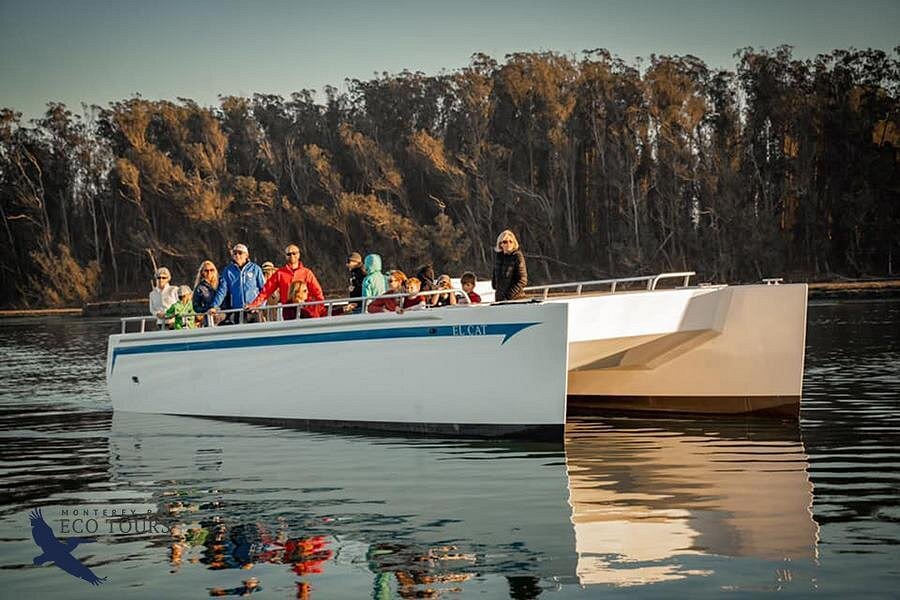
Humpbacks often feed within a mile or two of Morro Rock. Trips leave from the Embarcadero and are shorter than Monterey’s.
Best Places to Go Whale Watching in Southern California
Southern California has the most departures and calmer water on average. Gray whales peak in winter, blue whales in summer.
Santa Barbara and the Channel Islands
Boats leave Santa Barbara Harbor and Ventura for humpbacks and blue whales in summer and grays in winter and spring. See my Channel Islands National Park guide.
Long Beach and San Pedro
Long Beach has frequent departures from Shoreline Village. Blue whales are regular in summer, grays in winter.
Dana Point
Gray whales pass close in winter, and the Festival of Whales runs in March.
San Diego and La Jolla
Trips leave from the Embarcadero and Mission Bay. Grays run about December to April; summer brings blue whales.
How to Pick a Whale Watching Boat
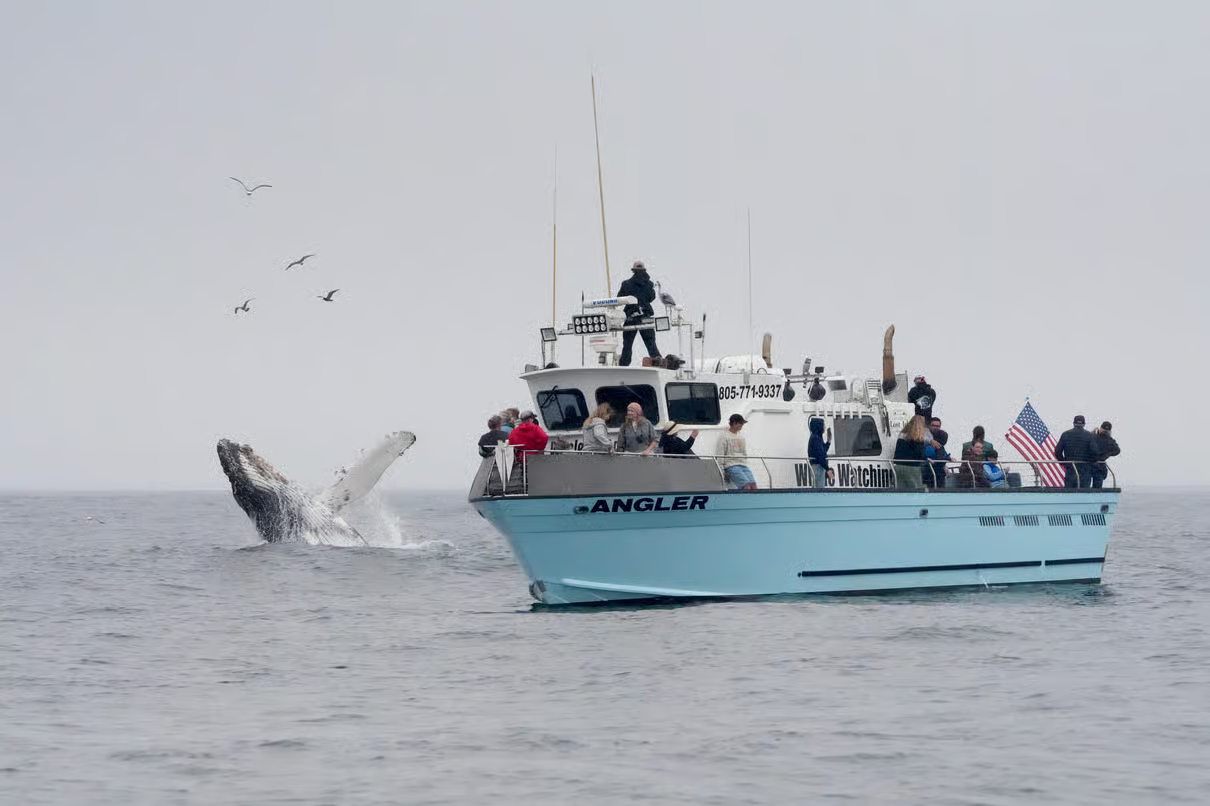
Big multi-deck boats are steadier and have restrooms. Small boats are faster but rougher.
- A naturalist on board
- A free return trip if no whales are seen (many offer one)
- Recent sighting reports
- Morning departures, when seas are usually calmer
- Trip length: 2 to 2.5 hours in Southern California, 3 to 4 in Monterey
How to Avoid Seasickness on a Whale Watch
Prevention works better than treatment once you’re sick.
- Take meclizine before boarding per the label, or ask a doctor about a patch
- Eat a light, bland breakfast
- Sit mid-boat on the lowest deck
- Watch the horizon and avoid the cabin and engine fumes
- Skip alcohol the night before; bring water and ginger candy
Best Land-Based Whale Watching Spots in California
Gray whales travel close to shore, so a high headland and binoculars work well during their migration.
Point Reyes Lighthouse and Bodega Head
Point Reyes Lighthouse is a top gray whale spot, January through April. It is down more than 300 steps, and winter weekends typically use a shuttle from Drakes Beach. Check nps.gov.
Bodega Head, an hour north, has bluff-top parking.
Central and Southern California Headlands
Central Coast: Point Lobos, the Big Sur turnouts in my Big Sur driving guide and the bluffs above Morro Bay. South: Point Vicente on Palos Verdes, the La Jolla cliffs and the whale overlook at Cabrillo National Monument.
Whale Watching Etiquette and What to Bring
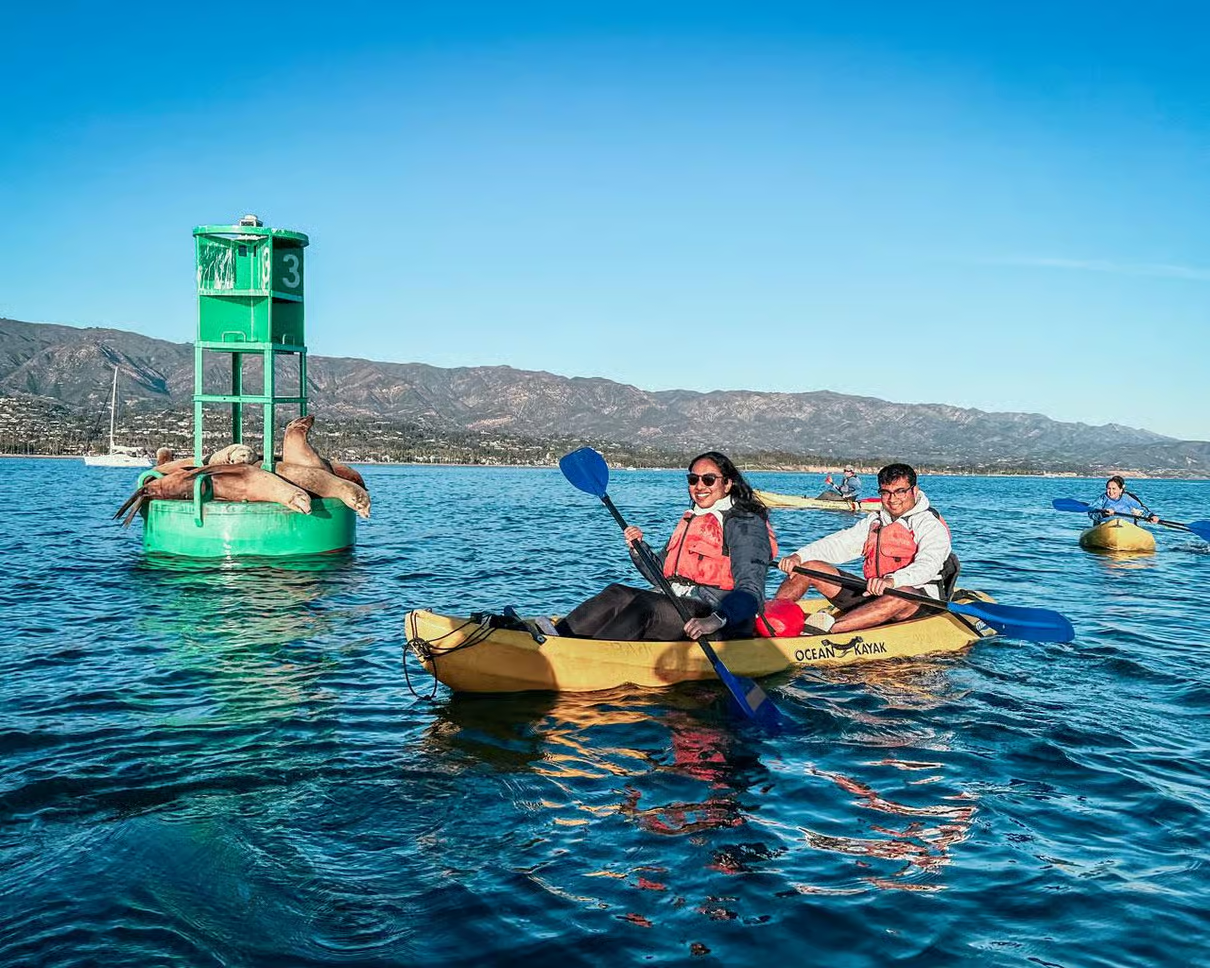
Federal guidelines ask boats, kayaks and paddleboards to stay at least 100 yards from whales.
Bring a windproof jacket, binoculars and sunscreen, even in summer.
Frequently Asked Questions
What is the best month for whale watching in California?
January through March for gray whales, especially in Southern California. July through September for humpbacks and blue whales, with Monterey Bay most reliable.
Where is the best whale watching in California?
Monterey Bay, where the submarine canyon brings whales close year-round. Dana Point, Morro Bay and San Diego are also good in season.
Can you see whales from shore in California?
Yes, especially during the gray whale migration from December to April. Try Point Reyes Lighthouse, Bodega Head, Point Lobos, Point Vicente or Cabrillo National Monument.
How long is a whale watching tour in California?
About 2 to 2.5 hours in Southern California. Monterey Bay trips often run 3 to 4 hours.
When can you see blue whales in California?
About June to September. The Santa Barbara Channel, Monterey Bay, Long Beach, Dana Point and San Diego get the most sightings.